
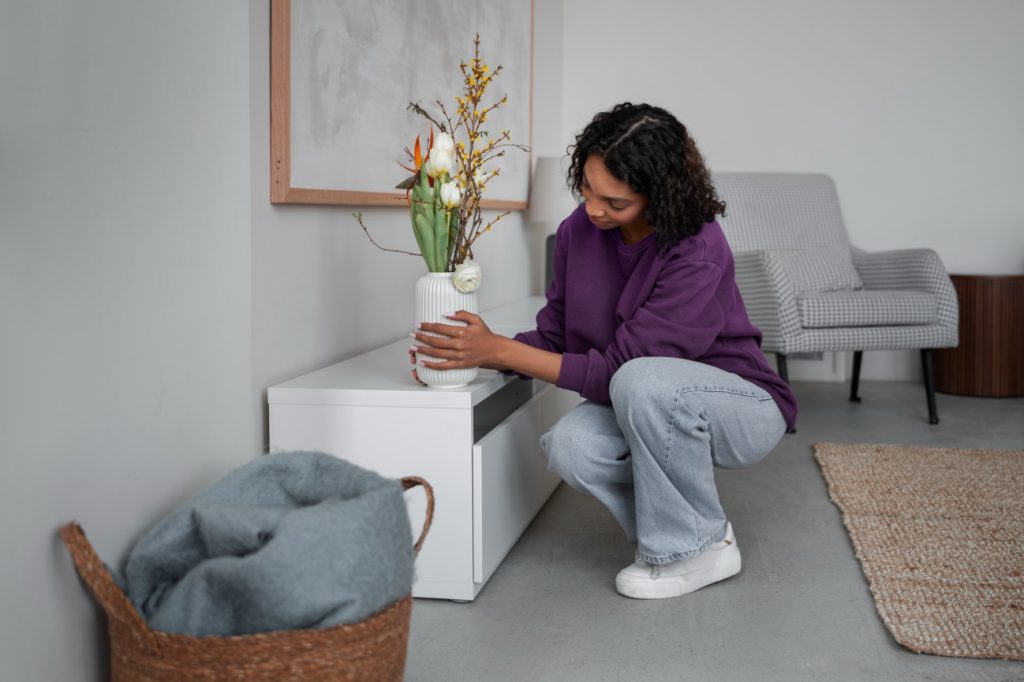
What if the space around you could breathe with you? Imagine entering a room where nothing competes for attention and every element feels deliberate. This is where simple living interiors begin. Minimalism here is not about emptiness or strict rules. It is about creating environments that support the mind rather than overwhelm it. For architects, students, and thoughtful readers, this idea opens a deeper conversation between space and mental wellbeing.
Minimalist interiors tell a quiet story. Walls remain calm, materials stay honest, and objects earn their place. When visual noise is reduced, the mind follows. Architecture becomes a framework for clarity. Rooms designed with intention allow people to focus, rest, and feel present. This is not psychology applied later. It is wellbeing shaped at the drawing stage.
Simple living interiors often start with understanding human behaviour. How do people move, pause, and interact with their surroundings? Minimalism answers by removing the unnecessary. Fewer elements mean fewer decisions for the mind to process. This creates mental ease. For students of architecture, this approach highlights an important lesson. Design is not only about form but about how space feels over time.
Light plays a vital role in this narrative. Natural light moving across a simple surface can change the mood of an entire room. Shadows become softer and time becomes visible. Without clutter, light is allowed to perform. This connection to daily rhythms helps regulate emotions and brings a sense of calm that feels almost instinctive.
Material choice also influences wellbeing. Natural textures such as wood, stone, or plaster create a sense of grounding. They carry imperfections that remind us of the real world. In simple living interiors, materials are not hidden. They are celebrated for their honesty. This transparency builds trust between the user and the space.
Minimalism also encourages mindful living. When storage is thoughtful and belongings are curated, people become more aware of what they keep and why. This awareness extends beyond the interior. It influences habits, routines, and mental clarity. Architecture here becomes a quiet guide toward intentional living.
For architects and students, simple living interiors challenge the urge to overdesign. They ask you to consider absence as a powerful tool. What you choose not to add can be as meaningful as what you include. This restraint creates spaces that feel open, calm, and emotionally supportive.
To deepen this understanding, reflect on these questions as part of your design thinking.
- How does reducing visual clutter influence emotional comfort
- Can fewer design elements create stronger spatial identity
- How does natural light interact differently in a simplified interior
- What role do materials play in creating mental grounding
- How can minimalism support daily routines and long-term wellbeing
Simple living interiors remind us that architecture is not just shelter. It is a companion to the mind. Through minimalism, spaces become places of rest, clarity, and quiet strength. In designing less, we often give people much more.