
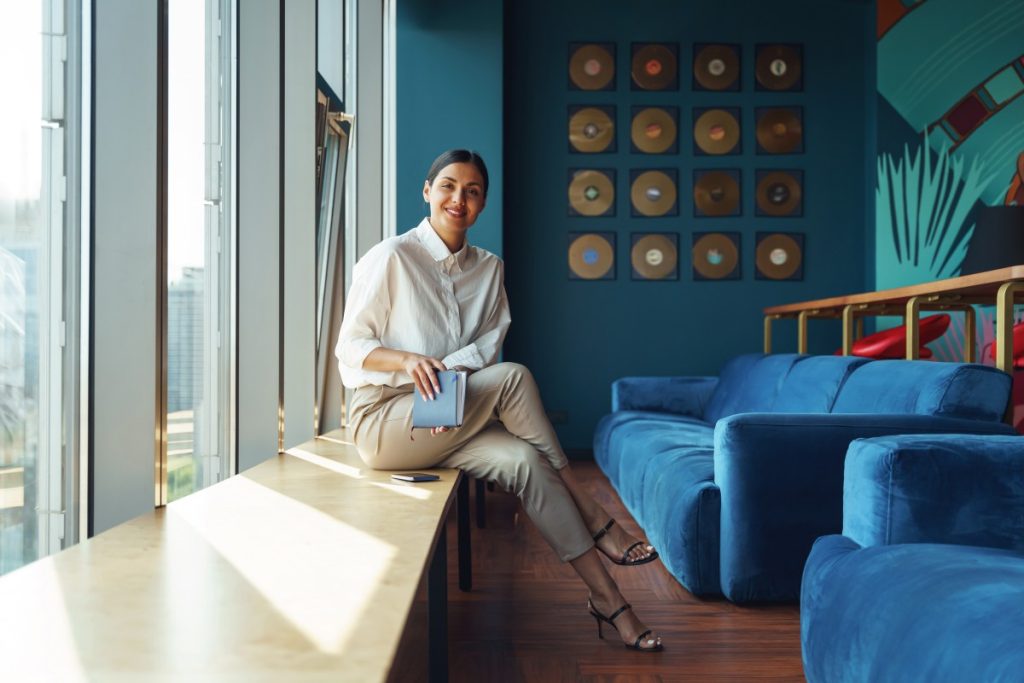
Walking into a room that feels like a deep breath is a rare experience in our fast-paced world. There is no visual noise to compete for your attention and no unnecessary objects to tether your thoughts. In an era defined by constant digital chatter and physical excess, the concept of a hollow space has become the ultimate luxury. For architects and students of design, the philosophy of doing more with less is not merely a minimalist trend. It is a profound architectural statement about how we choose to live. By stripping away the superficial, we reveal the core essence of the structure and the soul of the inhabitant.
Architecture of Essentialism
Talking about decluttered living means talking about the purposefulness of every single square foot. This is because living life in the modern world means living life on the move. This means that the ability to transition into and out of a workspace and into and out of a sanctuary means transitioned into and out of the room itself.
This can only happen when the surroundings have been decluttered. This type of decluttered living means incorporating empty spaces into architectural narrative by focusing on the empty space as much as the solid wall surrounding it. This will cause the house to be transformed from a storage unit to a canvas for life.
Streamlined Strategies: The Streamlined Lifestyle
Living minimalist is more than just clearing clutter and discarding things. “It’s where a strict design aesthetic meets functionality and aesthetic appeal in perfect equipoise.
Here are some basic tenets for an uncluttered living space:
- Integrated Storage Solutions: This is done by incorporating cabinetry into the wall, thus allowing the room’s horizon line to be smooth and uninterrupted.
- The Power of Negative Space: Negative space between furniture can be a powerful design element as it can be used to convey movement through a room.
- Quality Over Quantity: When the goal is set on choosing quality furniture with superior craftsmanship, the use of fillers for decoration can be sometimes eliminated.
- Varied Zone Design: With well-planned designs, a space can be used for a variety of functions, thus making every nook and corner of the house functional.
- Honest Materiality: When materials like natural stones or wood are left in their raw state, it becomes aesthetically rich without having to rely on ornamentation.
The Student Perspective: Lessons from the Vacuum
For those who study the trade, the skill is finding the ability to refrain from over-designing. It is easy to want to go back into a floor plan and add all sorts of intricate designs. It is not always what an effective modern design will consist of. Learning to create a space using one type of material or adding one light source can denote a high level of sophistication. Clutter-free living relates to creating a space that allows the occupant to be the focus and the architecture to play second fiddle.
The Ultimate Design Question
As we look at the future and realize the importance of our physical presence, we need to realize the importance of taking a closer look at our interiors. For years, we’ve filled our homes with things that promise us happiness but end up giving us just distractions. By going back to the basics, we learn the simplicity behind a perfectly aligned window or an unadorned floor.